Ask For A Proposal
Ask Us For
A Proposal

Running a brewery in today's market is tough enough without throwing money away on avoidable equipment mistakes. We've seen too many passionate brewers struggle because they made costly decisions early on that haunted them for years. The craft beer industry has faced real challenges lately, and every dollar counts more than ever.
Here are seven equipment mistakes that can drain your budget faster than a blown gasket on brew day, and more importantly, how to fix them before they cost you thousands.
This one hurts to watch. You've calculated your batch size perfectly, ordered what seems like the right fermenter—often sold to match a batch size—and then watched in horror as active fermentation creates a volcanic eruption that wastes your entire batch. Here's the catch: some manufacturers quietly undersize these tanks. They rate capacity to the brim or count cone volume, so the true working volume and headspace you need for healthy fermentation just aren't there.
Yeast produces substantial foam during fermentation, especially with certain strains and higher gravity worts. When the tank is undersized, or the "barrelage" is measured aggressively, you lose critical headspace and end up with messy blowouts that don't just waste beer—they increase contamination risk and create cleanup headaches that eat into already tight margins.
The Fix: Size your fermenters at least 20-25% larger than your batch volume—and verify the actual working volume, not just the model name. For a 10-barrel batch, you need at least a 12-barrel fermenter measured to the shoulder/straight-side, not the brim. Ask for tank drawings that list total volume, cone volume, working volume at knock-out, and headspace percentage. If the specs seem light, they probably are. Breweries should verify dimensions and headspace with their manufacturer before purchasing to ensure fermenters are correctly sized for their batch needs.
We know budgets are tight, and the internet is full of “deal” tanks. But buying from unknown overseas sources often brings hidden costs: inconsistent welds, unpassivated seams, and rough internal finishes that scratch easily. Those defects trap soil and biofilm, turn CIP into a grind, and raise real food safety concerns.
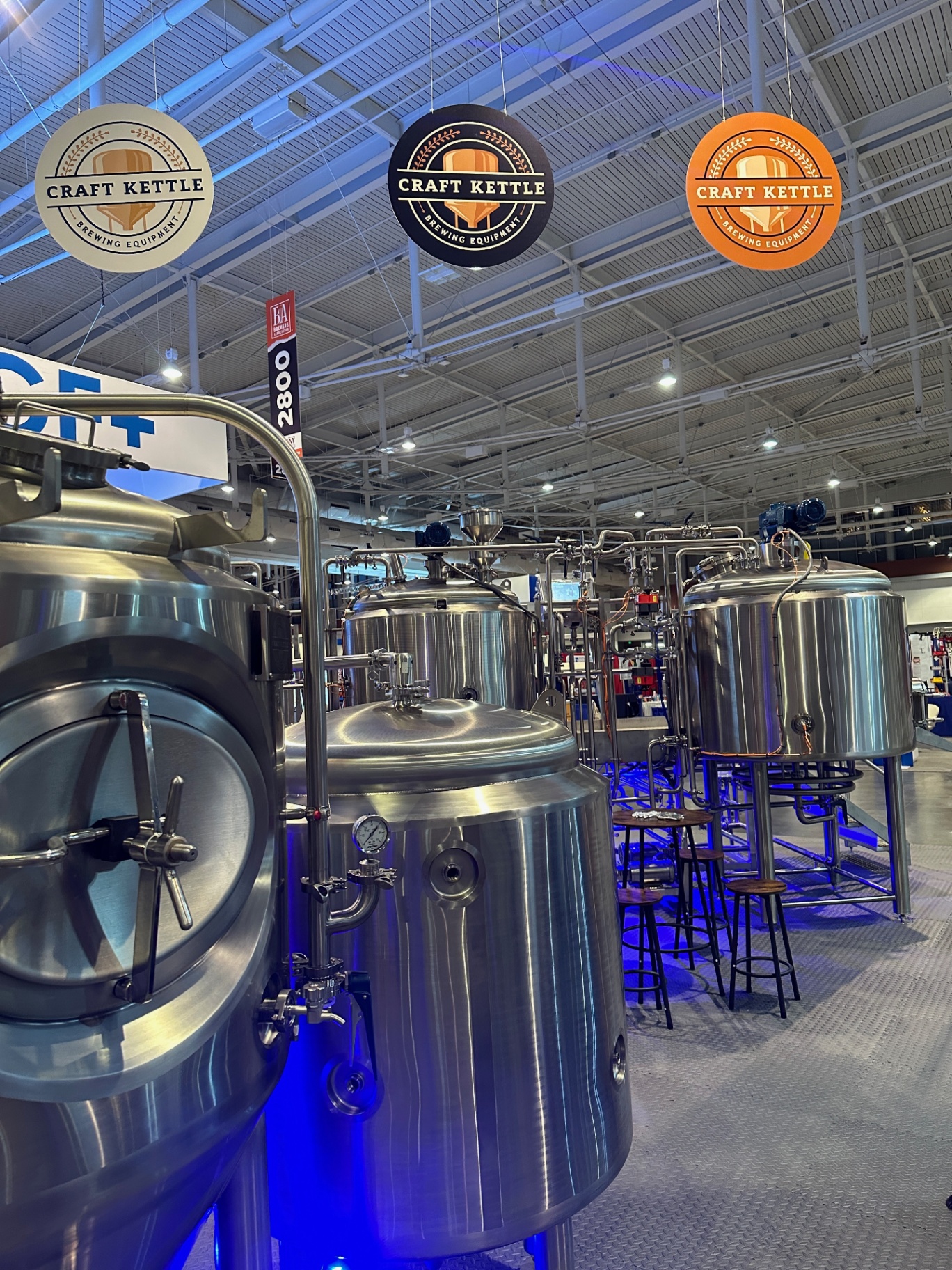
Some of these tanks use thinner wall stock or lower grades of stainless—like 201/202 instead of 304/316L—which pit and rust under caustic and sanitizer exposure. Once corrosion starts around manways, ports, or racking arms, you’re battling leaks, off-flavors, and mounting maintenance headaches.
The Fix: Work with proven manufacturers that document sanitary fabrication. Ask for material test reports (MTRs) verifying 304/316L, pickling/passivation records, an internal surface finish spec (≤ 0.8 micron Ra or better), and photos or drawings that show internal weld quality. Request pressure and dye-penetrant test results and confirm wall thickness. If a vendor can’t provide this, don’t risk it—you’ll pay for it later in maintenance and food safety exposure.
Brewing might feel like an art, but consistency requires precise control. Too many brewers rely on guesswork or basic measurements, leading to batch-to-batch variations that hurt their reputation and waste ingredients.
Temperature swings during fermentation create off-flavors. Inconsistent hop additions affect bitterness. Poor timing on transfers introduces oxygen. Each mistake costs money and, worse, damages your brand's reputation in an increasingly competitive market.
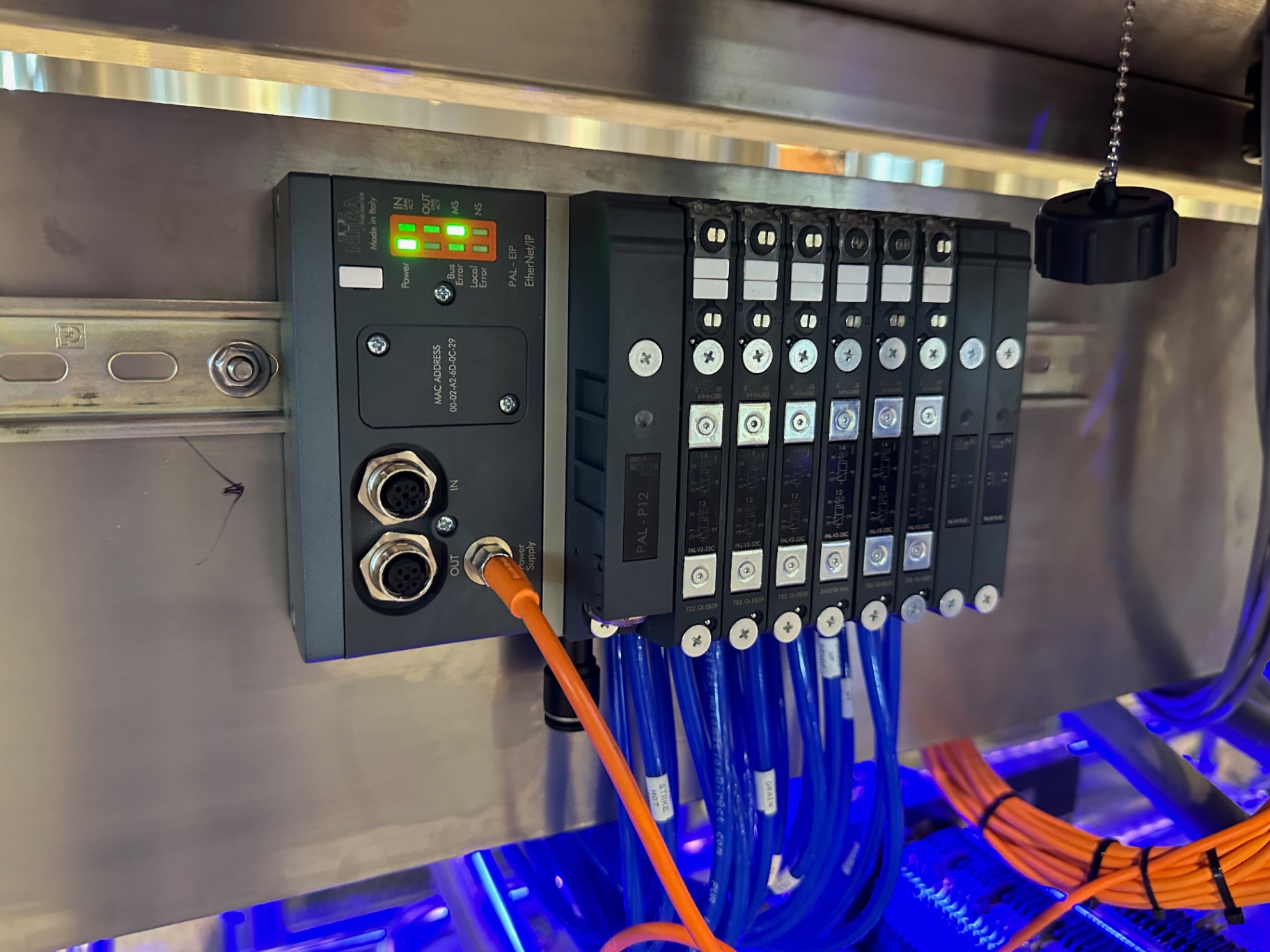
The Fix: Invest in proper monitoring and control systems early. Temperature controllers, pressure sensors, automated valve controls, and data logging systems aren't luxuries: they're necessities for consistent quality. Modern brewing software can track fermentation progress and alert you to problems before they become expensive disasters.
Boil overs are more than messy—they’re dangerous. Hot break and hop additions can trigger sudden foam surges that send near‑boiling wort over the rim, creating slip hazards and risking serious burns and injuries. Treat kettle headspace as a safety margin first, not an efficiency target.
The Fix: Size your brew kettle close to double your target batch size to provide generous freeboard for hot break, a vigorous boil, and hop dosing. For a 7-barrel batch, target a 12–14-barrel kettle depending on kettle geometry and how hard you boil. Good venting and boil control help, but never size so tightly that a hard boil threatens the rim.
Many brewers focus on individual pieces of equipment without considering how they work together in their space. Poor layout creates workflow bottlenecks, safety hazards, and eventually forces expensive equipment moves or replacements.
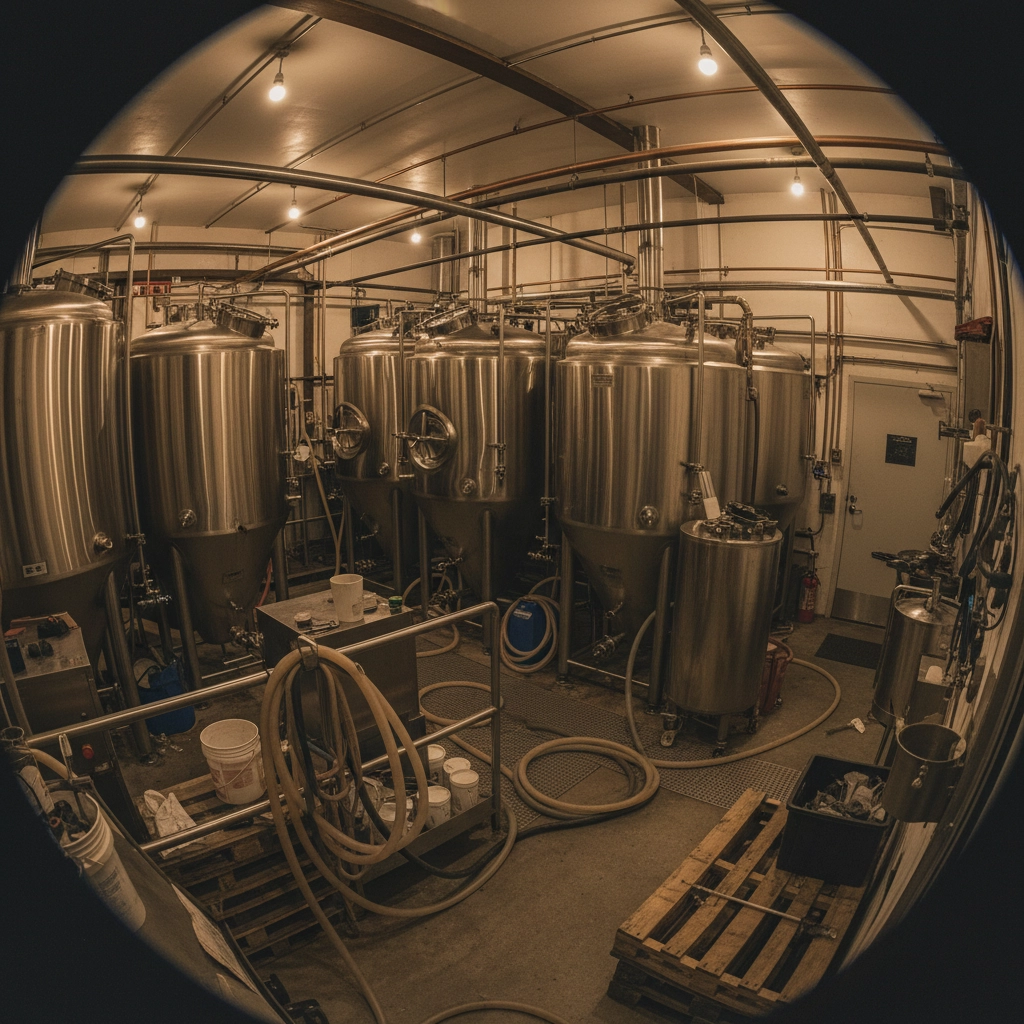
We've seen brewers spend thousands relocating equipment because they didn't plan for proper drainage, adequate ventilation, or logical workflow patterns. Tight spaces make maintenance difficult and dangerous.
The Fix: Plan your entire brewing space before buying equipment. Consider drainage slopes, utility connections, maintenance access, workflow efficiency, and future expansion. A well-designed layout prevents costly mistakes and makes every brew day safer and more efficient.
The craft beer market has evolved significantly, and what worked five years ago might not work today. Some brewers buy equipment sized for aggressive growth that never materializes, straining cash flow. Others start too small and face expensive upgrades within months.
The Fix: Match your equipment to realistic business goals, not dreams. Nano systems (1-3 barrels) work for testing recipes and small taprooms. Microbrewery scale (4-15 barrels) suits local distribution and larger taprooms. Only move to larger systems when you have proven demand and distribution channels.
Poor sanitation kills more batches than any other single factor. Contaminated beer creates off-flavors, unpleasant aromas, and sometimes undrinkable products. Without proper CIP (Clean-in-Place) systems and sanitization equipment, you're gambling with every batch.
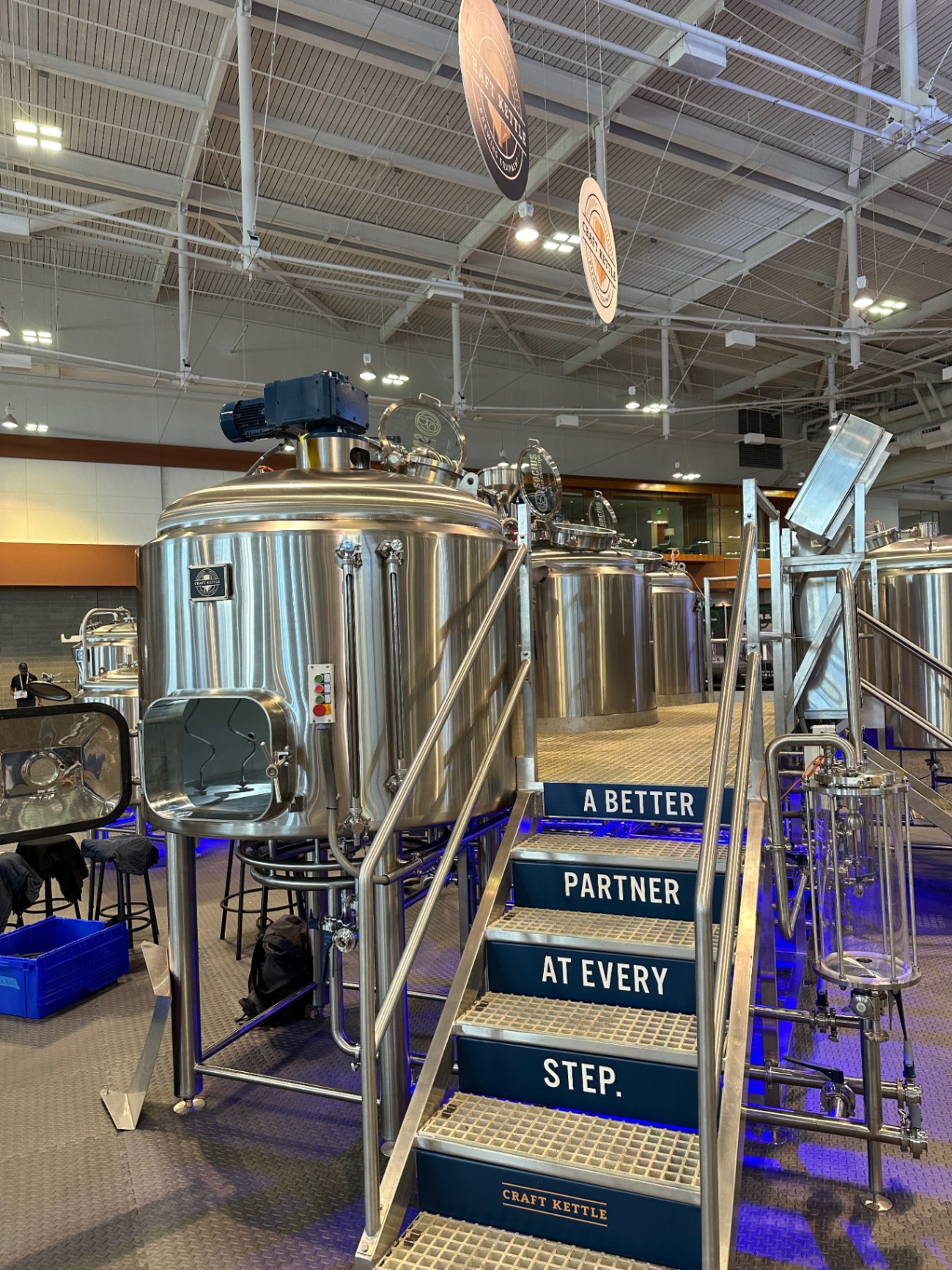
Infection doesn't just cost you one batch: it can contaminate your entire facility if not caught quickly. In today's market, you can't afford to lose batches to preventable contamination.
The Fix: Invest in proper cleaning and sanitization systems from the start. This includes CIP connections, spray balls for tank cleaning, sanitizing chemical feed systems, and proper rinse water treatment. Develop strict protocols and stick to them religiously.
These mistakes don't just cost money: they cost time, reputation, and sometimes the entire business. In a market where margins are tight and competition is fierce, you can't afford to learn these lessons the hard way.
Quality equipment isn't an expense: it's an investment in consistency, efficiency, and longevity. The brewers who succeed today are those who make smart equipment decisions from the beginning, understanding that proper planning and quality equipment pay for themselves through reliable operation and consistent products.
Every successful brewery we've worked with shares one common trait: they understood that cutting corners on equipment was the most expensive mistake they could make. The craft beer industry demands quality, and your equipment is the foundation that makes quality possible.
Your brewery's success depends on making informed equipment decisions that support your long-term goals. Take the time to plan properly, invest in quality materials, and size equipment for your actual needs. Your future self will thank you, and your bank account will too.