Ask For A Proposal
Ask Us For
A Proposal

So you've mastered the art of brewing beer, built a loyal customer base, and now you're wondering, what's next? If you're like most craft brewery owners I talk to, you're probably thinking about expanding beyond your core beer offerings. Honestly, that might be the right move, or it might not. The market is tough right now. Closures are up, costs are sticky, and shelf space and tap handles are harder to hold onto than they used to be.
Many of us wrestle with what "diversification" means for craft's identity. Some folks see seltzers, ready-to-drink cocktails, or NA options as drifting from the roots that made this industry special. I get that. Craft has always been counter-culture: small, stubborn, and quality-first. For me, expanding beyond beer isn't about selling out or chasing a quick profit; it's about exploring new possibilities, keeping your team employed, and supporting business sustainability in a tough market.
But here's the thing: expanding beyond beer isn't something you can just wing. It requires strategy, planning, and a clear roadmap. That's exactly what we're going to walk through today, five concrete steps that'll help you successfully diversify your beverage production without losing your shirt (or your sanity) in the process.
Before you start dreaming about kombucha fermentation tanks or hard seltzer lines, you need to get brutally honest about your current situation. I know, I know, this isn't the fun part, but it's absolutely crucial.
First, assess your market position. Are you the neighborhood favorite known for hoppy IPAs? The experimental brewery that beer geeks flock to? Or maybe you're the family-friendly spot that focuses on approachable lagers? Understanding your brand identity will guide every decision you make moving forward. And if, after a hard look, your gut says "not now," that's a valid outcome too.
Here's what I always ask brewery owners: What's driving your desire to diversify? Is it economic resilience? (Smart move, if one product line faces challenges, others can balance the scales.) Are you trying to capture a bigger market share? Or maybe you're just excited about the creative possibilities?

You also need to think about some tough questions that many brewers overlook. Should your new products carry your brewery brand, or do they need separate branding? What happens if your hard seltzer starts outselling your flagship beer? Could non-beer products actually hurt your brewery's reputation with purist customers?
I've seen breweries struggle because they didn't think through these positioning questions upfront. Don't make that mistake, spend time really considering how diversification fits into your long-term vision.
Now comes the exciting part, deciding what direction to take your business! The good news is you've got tons of options. The challenging news? You need to pick the ones that make sense for your specific situation.
Let's start with the obvious choice: beer-adjacent products. Non-alcoholic and low-alcohol beverages are having a moment right now, and they're a natural extension of what you already do. Think NA beers, kombucha, or even sparkling water with unique flavors that showcase your creativity. The best part? Your existing customer base is already primed to try these products.
But don't sleep on the hard beverage category. Cold brew coffee, hard kombucha, wine, seltzer, and spirits can open new lanes when they fit your brand and capacity. Just look at Boston Beer Company, they've diversified into hard seltzer and spirits, including their merger with Dogfish Head and partnerships for ready-to-drink cocktails. Their story shows what's possible, not a guaranteed playbook. If you go this route, do it for the right reasons: giving your guests more choice and stabilizing cash flow, not chasing a quick windfall.
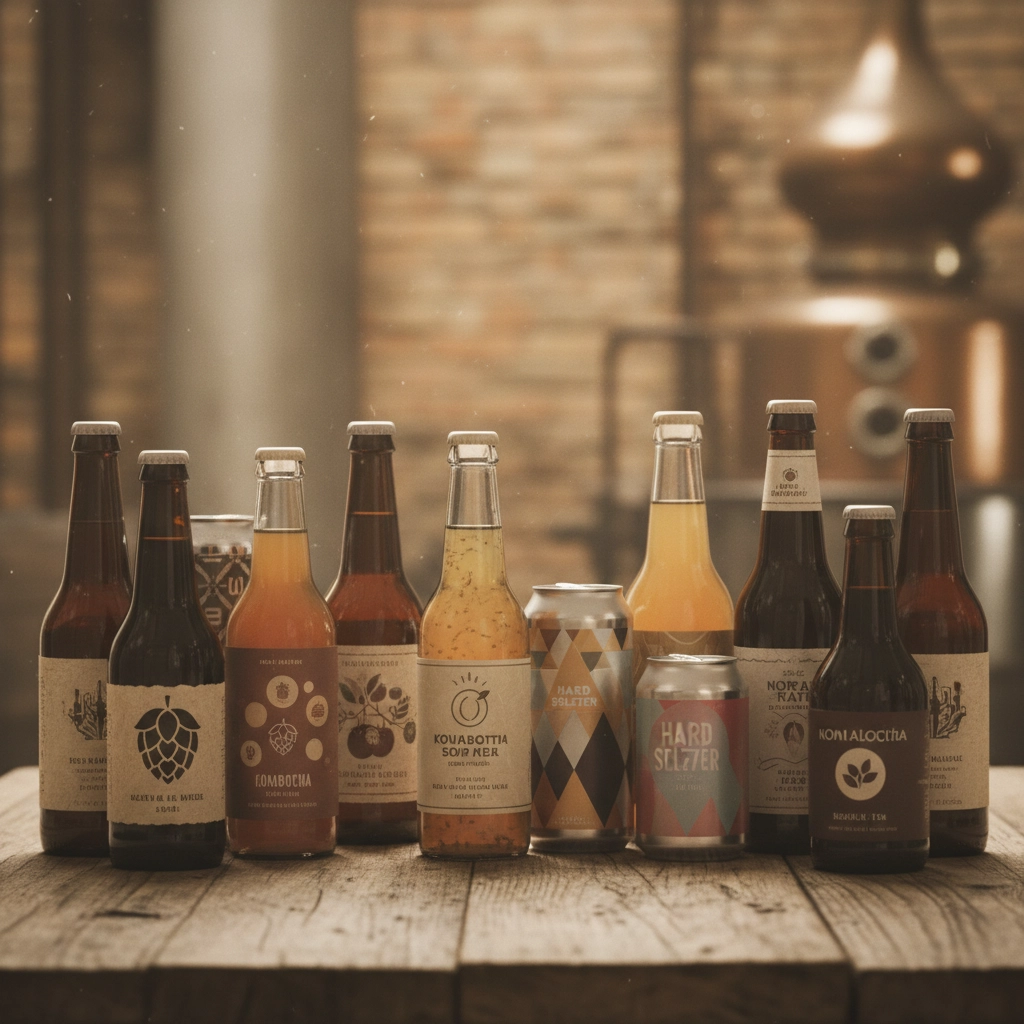
Here's something else to consider: complementary offerings that aren't beverages at all. Food service, branded merchandise, events, and tastings can diversify your revenue streams while strengthening community engagement. Some of my favorite breweries make meaningful revenue from their taco Tuesdays and branded hoodies, right alongside beer sales!
My advice? Start with one category that feels most natural for your brand and customer base. You can always expand further once you've mastered your first diversification move.
Okay, here's where things get a bit dry, but stick with me: this stuff is super important. The regulatory side of expanding beyond beer can be a real headache if you don't plan properly.
Here's the deal: if your new products don't meet federal definitions of "beer" or "malt beverages," you can't produce them under your existing Brewer's Notice. That means additional licensing, and trust me, the process varies wildly depending on what you're making and where you're located.
The regulatory landscape for non-beer products is completely different from what you're used to. We're talking new licenses, additional taxes, and potentially dealing with state control boards that have entirely different requirements. Federal regulations become way more complicated once you step outside traditional beer territory.

My recommendation? Do your homework early and thoroughly. Reach out to other breweries who've made similar moves, consult with attorneys who specialize in beverage law, and factor licensing costs and timelines into your business plan. The last thing you want is to have your equipment ready but be stuck waiting months for regulatory approval.
This is where your brewing background becomes both an advantage and a potential limitation. You already understand fermentation, quality control, and production management: that's huge! But different beverages often require different equipment, processes, and technical expertise.
Start by honestly assessing your current setup. Can your existing equipment handle the new products you want to make? Do you need additional fermentation tanks, different filtration systems, or entirely new production lines? Sometimes the answer is a significant infrastructure investment, and that's okay: just plan for it upfront.
One strategy I love is collaboration. Partner with other breweries, local coffee roasters, or beverage producers to test new products without massive upfront costs. Joint releases and partnerships let you dip your toes in new categories while learning the ropes and gauging market response.

The key is finding innovative technical solutions tailored to your specific products and market. Every brewery's diversification journey looks different because every brewery has different capabilities, goals, and constraints. Embrace that uniqueness rather than trying to copy someone else's playbook exactly.
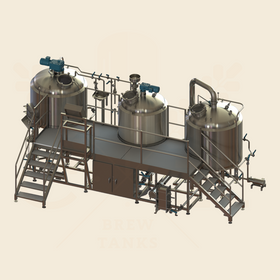
At Craft Kettle, we've seen breweries successfully adapt our modular systems for everything from kombucha to hard cider. The flexibility to modify and expand your brewing setup makes diversification much more achievable than it used to be.
You've done the planning, handled the legal stuff, and set up your production capabilities. Now it's time to actually bring your new products to market: and this is where strategy really matters.
Competition in the craft beverage space is intense. Even as closures rise, new brands are still entering the market, and larger breweries are expanding into craft spaces. Diversification can help you stay resilient, but only if it aligns with your brand and your customers.
Start with products that complement your existing brand identity and customer base. If you're known for experimental beers, maybe hard kombucha with unique flavor profiles makes sense. If you're the family-friendly neighborhood spot, perhaps non-alcoholic options or craft sodas are the way to go.

Launch with intention, not just hope. Create buzz through your existing channels: social media, taproom events, email newsletters. Let your current customers be your first advocates. They already trust your brand, so they're most likely to try new products and spread the word.
Monitor everything closely from day one. Track sales data, gather customer feedback, and be prepared to adjust your strategy based on what you learn. The beverage market moves fast, and flexibility is your friend.
Remember, this isn't about abandoning your beer roots; it's about building on the foundation you've already created. This isn't selling out. It's a way to stay true to your values while giving people more reasons to support you in a hard market. Some of the most successful brewery diversifications I've seen have actually strengthened the core beer business by attracting new customers and creating additional touchpoints with existing ones.
Expanding beyond beer is both an opportunity and a significant undertaking in a tough, shifting market. It isn't a silver bullet, and it isn't for everyone. The breweries that succeed are the ones that approach diversification strategically, with clear goals and realistic expectations, and who keep quality as the north star.
The five steps we've covered: assessing your position, choosing your direction, handling legal requirements, developing technical solutions, and executing your market entry: provide a roadmap. Your path might lead you to launch a new line, to pilot quietly with a partner, or to double down on beer and wait. All three can be the right call depending on your reality.
What excites you most about diversifying your beverage offerings? Are you leaning toward any particular category, or are you still in the exploration phase? I'd love to hear what you're thinking: feel free to reach out and share your diversification plans!